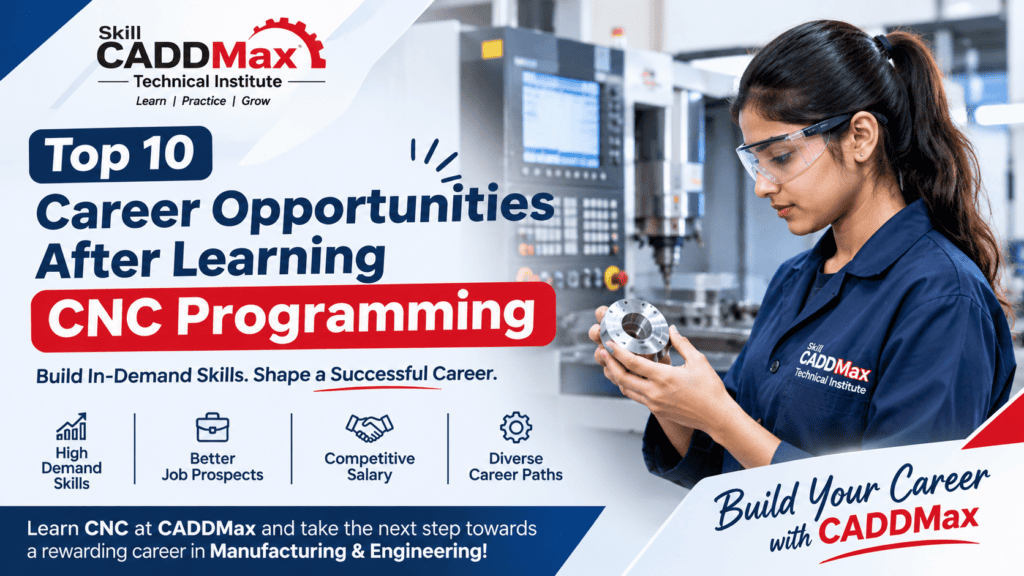
The manufacturing industry is changing rapidly, creating new career opportunities after CNC programming with the introduction of advanced machinery, automation and modern engineering technologies. Today, industries require skilled professionals who can operate advanced machines, understand technical drawings and manage precision-based manufacturing processes.
CNC (Computer Numerical Control ) programming is widely used in industries to manufacture accurate and complex components. From automotive parts to aerospace equipment, CNC machines play an important role in modern production. Learning CNC programming can help students, freshers and technical professionals explore various career opportunities in the engineering and manufacturing sectors.
Let’s explore the top 10 career opportunities after learning CNC programming.
What is CNC Programming?
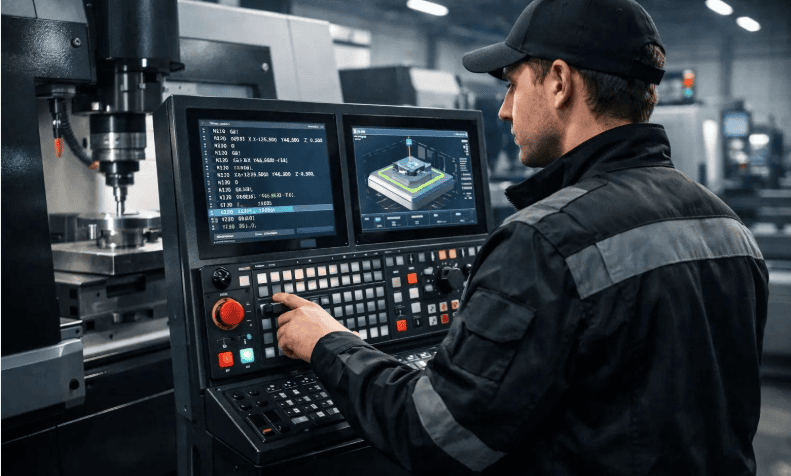
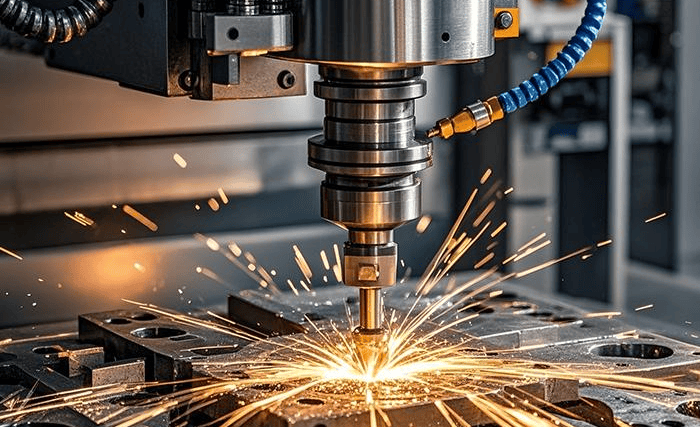
CNC programming is the process of creating instructions that control computer -operated machines to perform operations such as cutting, drilling, milling, turning and shaping different materials.
CNC machines follow programmed instructions to manufacture components with accuracy, consistency and efficiency. Common programming codes include G-code and M-code, which help control machine movements and operations. CNC technology is used in automotive, equipment and general manufacturing industries.
Top 10 Career Opportunities After Learning CNC Programming
1. CNC Machine Operator
A CNC machine operator is responsible for Operating and Monitoring CNC machines during production. Their work includes setting up machines, loading raw materials, selecting appropriate tools and checking machine performance.
Operators also monitor production quality and ensure that components are manufactured according to technical specifications. this is a suitble starting career for individuals who want to gain practical experience in the manufacturing industry.
2. CNC Programmer
A CNC programmer creates instructions that guide CNC machines during manufacturing operations. They use programming languages such as G-code and M-code to control machine movements, cutting tools and production processes.
CNC programmers study engineering drawings, select machining operations and prepare programmes according to component requirements. Strong technical knowledge and programming skills are important for this role.
3. CNC Machinist
CNC machinists work with CNC machines to manufacture different mechanical components. They understand technical drawings, select suitable cutting tools and perform machining operations according to required dimensions.
They also inspect finished components using measuring instruments to maintain accuracy and product quality. This role requires practical machine knowledge and attention to detail.
4.VMC Operator
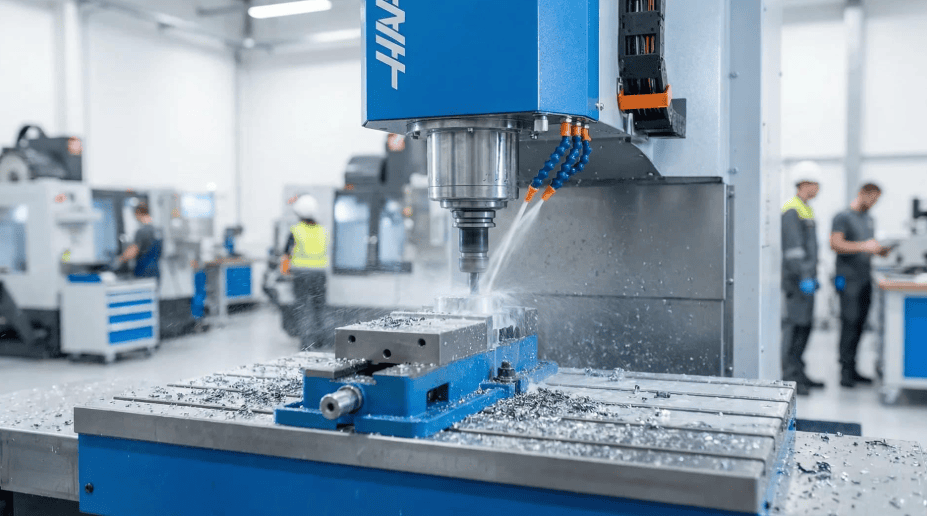
A Vertical Machining Centre (VMC) operator handles machines used for milling, drilling and other precision machining operations.
Their responsibilities include machine setup, tool selection, material positioning and monitoring machining processes. VMC operators are required in industries that manufacture precision components, automotive parts and engineering products.
5. CAD/CAM Designer
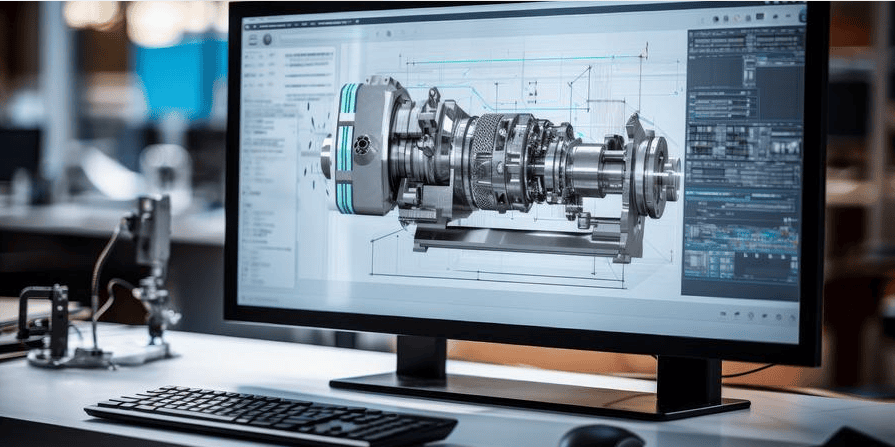
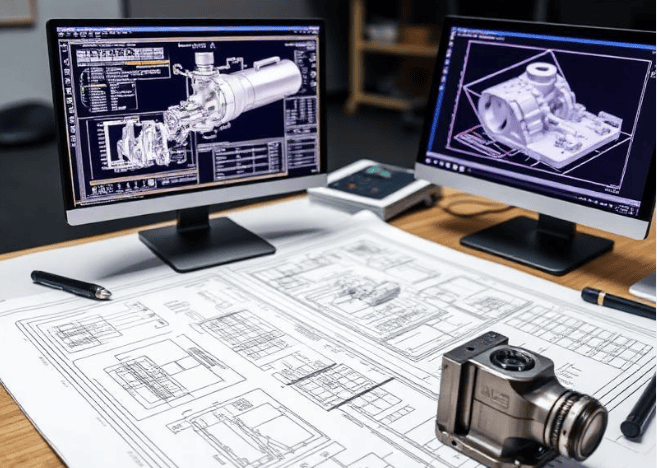
CAD/CAM designers use specialised software to create engineering designs and prepare manufacturing instructions.
CAD (Computer-Aided Design) helps professionals create 2D drawings and 3D models, while CAM (Computer-Aided Manufacturing) helps convert those designs into machine instructions. Knowledge of CAD/CAM software combined with CNC programming can provide opportunities in design and manufacturing departments.
6. Production Supervisor
A production supervisor manages daily manufacturing activities and coordinates with machine operators and production teams.
Their responsibilities include monitoring production schedules, maintaining workflow, checking output quality and ensuring that production targets are achieved. Experience in CNC operations and manufacturing processes can help professionals develop towards supervisory positions.
7. Quality Control Inspector
A Quality control inspector checks manufactured components to ensure they meet required dimensions, specifications and quality standards.
they use measuring instruments such as vernier calipers, micrometers and other inspection tools to identify manufacturing defects. Knowledge of engineering drawings and machining processes is useful for this career.
8. Manufacturing Engineer
Manufacturing engineers work on improving production processes, machine efficiency and manufacturing methods.
They analyse production operations, identify areas for improvement and help industries reduce manufacturing time and material waste . Understanding CNC Manufacturing technology can be valuable in this profession.
9. CNC Maintenance Technician
CNC maintenance technicians are responsible for inspecting, maintaining and troubleshooting CNC machines.
They identify technical issues, perform routine maintenance and help ensure that machines operate smoothly. knowledge of machine components, mechanical systems and basic electrical principles can support this career path.
10. Tools and Die Maker
Tool and die makers design, manufacture and maintain specialised tools, dies, moulds and fixtures used in industrial production.
They work with technical drawings, precision measuring instruments and different machining processes. CNC programming knowledge can help them understand modern manufacturing requirements and improve production accuracy.
Essential Skills Required to Build a Career in CNC Programming
To develop a successful career in CNC programming, students should focus on gaining both theoretical knowledge and practical experience. Developing the right technical skills can help learners prepare for different CNC programming jobs.
Some important skills include:
Understanding engineering drawings and technical specifications.
Knowledge of CNC machine operations.
Basic understanding of G-code and M-code programming.
Knowledge of CAD/CAM software.
Understanding of cutting tools and machining processes.
Ability to use precision measuring instruments.
Problem-solving and technical skills.
Understanding of manufacturing safety procedures.
Developing these CNC skills for beginners can help learners become familiar with industrial working environments and improve their technical knowledge.
Why Is Practical CNC Training Important?
Learning CNC programming involves more than understanding machine codes and theoretical concepts. Students need practical exposure to understand machine operations, tools selection, programming methods and manufacturing processes.
Practical training allows learners to work with technical drawings, understand machine setups and develop confidence in handing industrial equipment.
At skills Caddmax Technical Institute, Nashik, students can explore technical learning in CAD, CAM, CNC and VMC, with an emphasis on practical skills and industry-oriented knowledge. Developing a strong technical foundation can help students prepare for opportunities in the engineering and manufacturing sectors.
Frequently Asked Questions (FAQs)
1.What Career opportunities are available after learning CNC programming?
You can explore careers such as CNC Machine Operator, CNC Programmer, CNC Machinist, VMC Operator CAD/CAM Designer and Manufacturing Engineer.
2. Is CNC Programming a Good Career Option for Freshers Seeking Career Opportunities After CNC Programming?
Yes, CNC programming is a good career option for freshers interested in engineering and manufacturing. Practical traning can help beginners develop the skills required for entry-level jobs.
3. What qualifications are required to learn CNC programming?
Students with ITI, Diploma or engineering backgrounds can learn CNC programming. Anyone interested in mechanical and manufacturing technology can also explore suitable training programmes.
4. Which industries hire CNC programmers?
CNC programmers are in demand in automotive, aerospace, defence, medical equipmnet, construction and general manufacturing industries.
5. Where can I learn CNC programming in Nashik?
You can explore CNC, VMC & CAD/CAM training at skills Caddmax Technical Institute,Nashik, to develop practical knowledge and industry-oriented technical skills.
Conclusion
CNC programming offers several career opportunities in today’s growing manufacturing and engineering industries. From CNC machine operators and programmers to CAD/CAM designers and manufacturing engineers, learners can explore different proffessionl roles based on their interests, knowledge and practical skills.
The right technical training consistent practice and continuous practice and continuous skill development can help students build a strong foundation for their professional journey.
If you are interested in engineering , manufacturing and modern machine technology, learning CNC programming can be a valuable step towards developing your technical career.
Learn. Practice. Grow. Build your future with technical skills.